
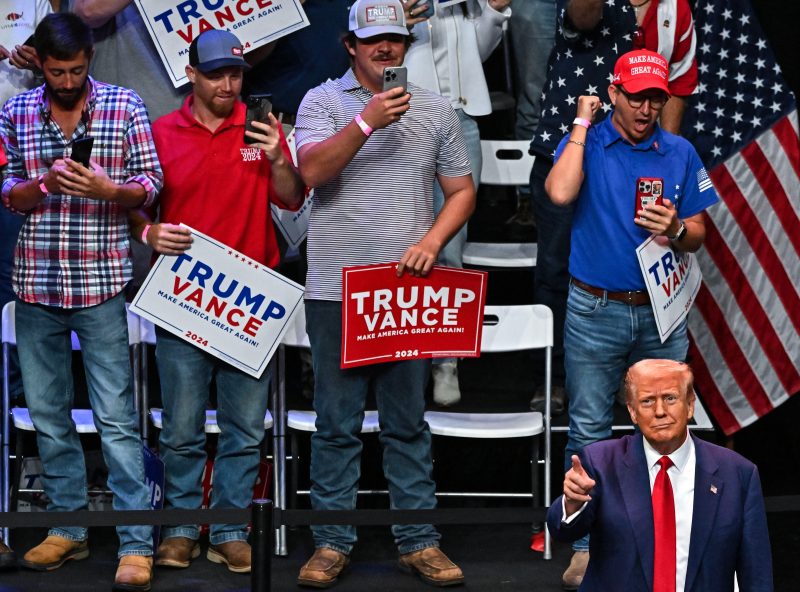
Is Trump’s campaign alienating female voters with its male-centric culture?
The Trump Campaign’s Male-Dominated Culture: A Potential Detriment to Securing Women’s Votes
1. Understanding the Landscape:
The gender dynamics of political campaigns have always played a crucial role in shaping voter perceptions and actions. With the 2020 U.S. presidential election on the horizon, the Trump campaign’s male-dominated culture has come under scrutiny for its impact on women voters’ support and participation. The demographics of the electorate suggest that women constitute a significant voting bloc, and therefore, their engagement and support are imperative for any candidate eyeing the presidency.
2. The Male-Dominated Environment:
From the top leadership positions to the campaign’s grassroots level, the Trump campaign has been criticized for fostering a male-dominated environment that may be alienating female voters. Reports of sexism and harassment within campaign structures have further raised concerns about the inclusivity and respect for gender diversity within the Trump campaign. This internal culture can have repercussions on how policies are crafted and communicated to appeal to a diverse electorate, including women voters.
3. Impact on Women Voters:
The consequences of a male-dominated campaign culture can be far-reaching when it comes to securing women’s votes. Women voters may feel disconnected from a campaign that appears to prioritize male voices and perspectives. The lack of representation and inclusion of diverse voices may lead women voters to perceive the campaign’s messages and policies as out of touch with their needs and concerns. This disconnect can translate into decreased support and enthusiasm among women voters for the Trump campaign.
4. Strategies for Inclusivity:
To address the challenges posed by a male-dominated culture, the Trump campaign must actively work towards creating a more inclusive and welcoming environment for women. This can be achieved by promoting female leadership within the campaign, ensuring diversity in decision-making processes, and actively listening to and addressing the concerns of women supporters. By demonstrating a commitment to gender equality and inclusivity, the campaign can signal to women voters that their voices and perspectives are valued and respected.
5. Building Bridges with Women Voters:
In order to regain the trust and support of women voters, the Trump campaign needs to engage in outreach efforts that directly target women’s concerns and priorities. By developing policies and messaging that resonate with women voters, the campaign can bridge the gap created by a male-dominated culture. Emphasizing issues such as healthcare, education, and economic empowerment can help the campaign connect with women voters on a deeper level and demonstrate a genuine commitment to addressing their needs.
6. Conclusion:
In conclusion, the Trump campaign’s male-dominated culture presents a significant challenge in securing support from women voters. By recognizing the importance of gender diversity and inclusivity, and taking proactive steps to address these issues, the campaign can enhance its appeal to women voters and strengthen its chances of success in the upcoming election. Ultimately, fostering a campaign environment that values and respects the voices of all voters, regardless of gender, is essential for building a broad and inclusive coalition of supporters.